
UTokyo · Sekimoto Lab
Generative Urban Foundation Model
Decoder-only transformer generating realistic human-mobility trajectories across world cities from real data; exploring world models and diffusion methods.
Sekimoto Lab (SekiLab) · Center for Spatial Information Science
Civil Engineering · The University of Tokyo
Civil engineer specializing in transportation science, urban planning, and AI. First-class honours from Chulalongkorn University; now an M.Sc. researcher at the University of Tokyo.
My work sits at the intersection of geography, transport modelling, and machine learning — from Bangkok’s travel-demand surveys to railway flood-risk mapping.

4-step sequential modelling, travel-behaviour survey methods, travel-behaviour analysis, and modal-split modelling.
Integrated land-use and transport models, and urban transportation planning.
Climate-change mitigation and adaptation, infrastructure management and maintenance, and railway-defect detection.
Traditional and deep learning, transformers, neural networks, and forecasting / time-series analysis.
M.Sc. in Civil Engineering — Geospatial Engineering
Center for Spatial Information Science (CSIS), Dept. of Civil Engineering · The University of Tokyo
Sekimoto Lab — generative urban mobility (decoder-only transformers) and synthetic populations (Pseudo-PFLOW).
B.Eng. in Civil Engineering — Transportation Engineering
Chulalongkorn University, Bangkok · First-class honours
Research apprentice, Chulalongkorn University Transportation Institute (2021–2023). President, CU Model United Nations Club.
Secondary — STEM concentration
Mahidol Wittayanusorn School (MWIT), Nakhon Pathom
Bronze medallist, International Geography Olympiad.
Started M.Sc. in Civil Engineering at The University of Tokyo.
Awarded the MEXT scholarship from the Dept. of Civil Engineering, The University of Tokyo.
Our paper “Public Transport Accessibility Index for Bangkok” was accepted to Transportation Research Record.
Our paper on railway flood prediction is accepted to ICRT 2024.
Our paper on travel-demand survey is accepted to IATBR 2024.
Our paper on railway flooding is accepted to ICCBEI 2023.
Spatiotemporal Dynamics of Land Use and Ridership: A Geographically Weighted Regression Analysis of Bangkok’s MRT Blue Line
CASPT 2025 · Special issue in Public Transport · 2026
Public Transport Accessibility Index for Bangkok and Its Application
Accepted · Transportation Research Record · 2025
Spatiotemporal Dynamics of Land Use and Ridership: A Geographically Weighted Regression Analysis of Bangkok’s MRT Blue Line
3rd Int. Workshop on Geographic Modelling and Simulation · Abstract in proceedings · 2024
Integrating Digital Surface Model for Flood Risk Assessment of Railway Networks in Thailand
ICRT 2024 · Int. Conference of Rail Transportation · 2024
Data-Driven Machine Learning Prognostics of Buckling Failure Modes in Ballasted Railway Track
Discover Applied Sciences, 6, 212 · 2024
Risk Assessment of Railway Tracks in Floodplain Area Using Digital Surface Model and Computer Vision
ICCBEI 2023 · Civil and Building Engineering Informatics · 2023
Railway Track Management Exposed to Extreme Events Using Machine Learning: A Case Study in Tropical Climate Regions of Thailand
Elsevier · Artificial Intelligence for Railway Infrastructure · In press
The Impact of Public Transportation Availability on Airport Passenger Egress Mode Choice: Don Mueang International Airport
Under review · Journal of Transportation Planning and Technology
Applied research and consultancy across railway resilience, travel behaviour, and urban-mobility policy.
Decoder-only transformer generating realistic human-mobility trajectories across world cities from real data; exploring world models and diffusion methods.
Business-vehicle agent-based simulation generating 4.5M daily trips for 1.5M+ truck and taxi agents across 106 zones nationwide, for synthetic nationwide transport analysis.
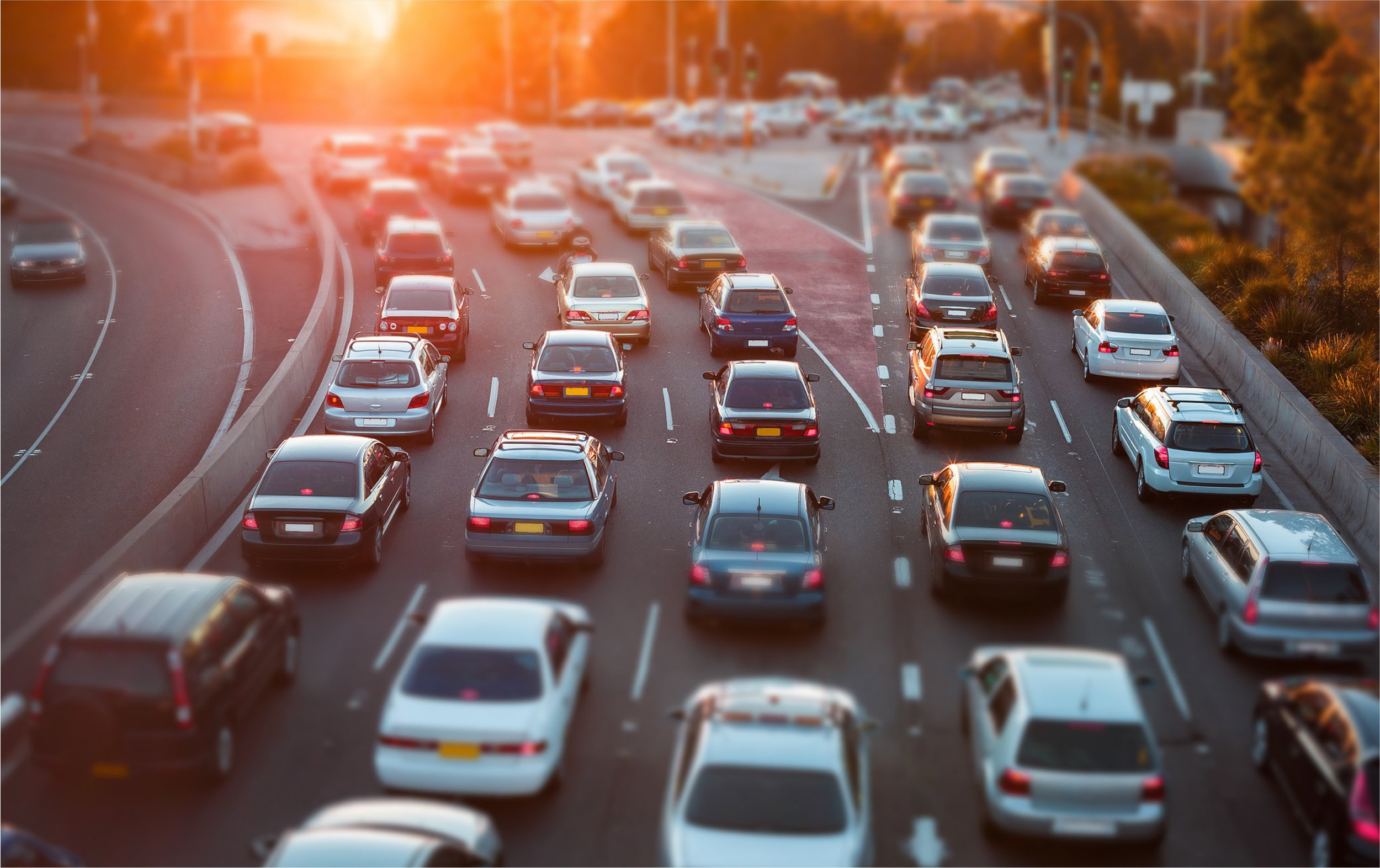
Highway travel-time analysis and traffic prediction with anomaly detection and data augmentation, for the Department of Highways.
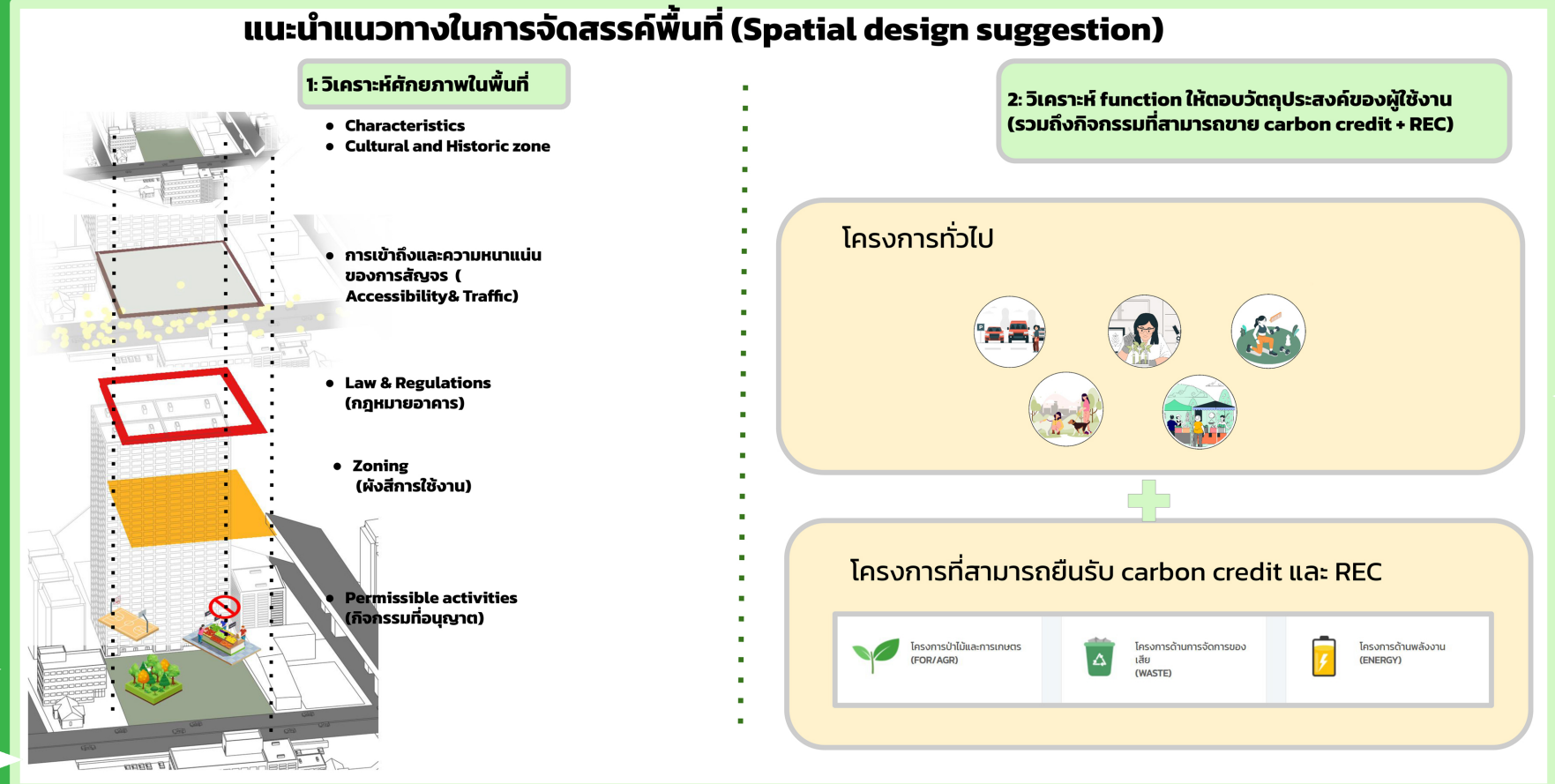
Climate-sensitive transportation planning for Thai cities under the UrbanAct Project.
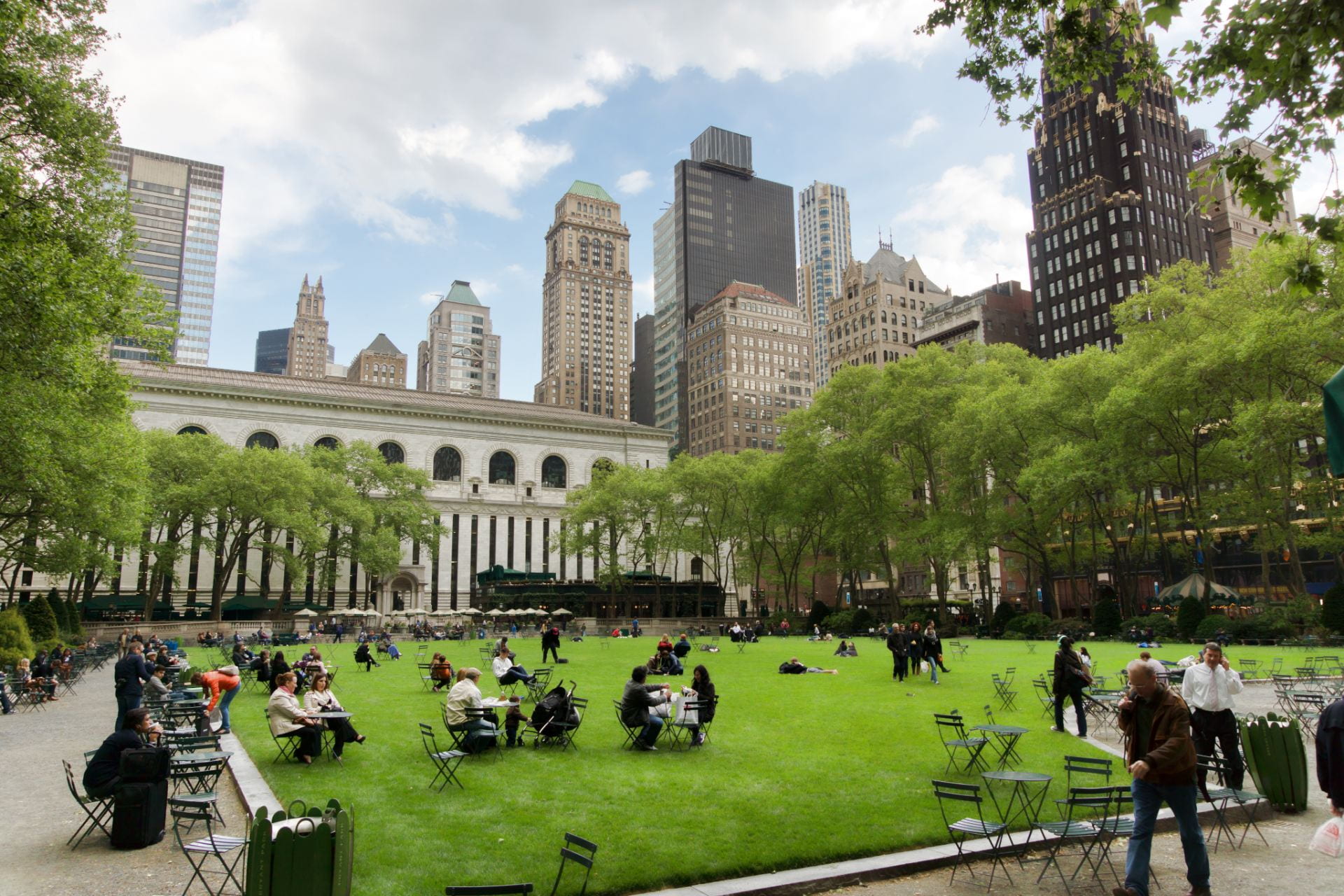
Youth involvement and incubation in urban development, on the public-transportation team. Goethe-Institut & EU.
Research program shaping Thailand’s logistics and transportation development priorities.
Urban logistics and garbage-collection routing in environmentally sensitive areas.
Legislation and public perception of tuk-tuks and electric-vehicle adoption, for the Department of Land Transport.
Prediction and validation of motorcycle drivers’ behaviour
There must be a better way to live: Ideal Urbanism
Get to know Bangkok’s transportation network
Thailand Innovation Awards 2021 — on-demand ride application for urban areas.
Environhack, Ministry of Natural Resources & Environment — motorcycle EV conversion.
Falling Walls Lab — on-demand transportation.
German Embassy EV Hackathon (Superblocks) · EIT Last-Mile Hackathon (first/last-mile, Bangkok) · AWS Build on ASEAN (low-CO₂ delivery) · GPSC Greenovation Sandbox (hydrogen buses).